
About Pet Wants
America’s Best Franchises (ABF) Brand Insight —
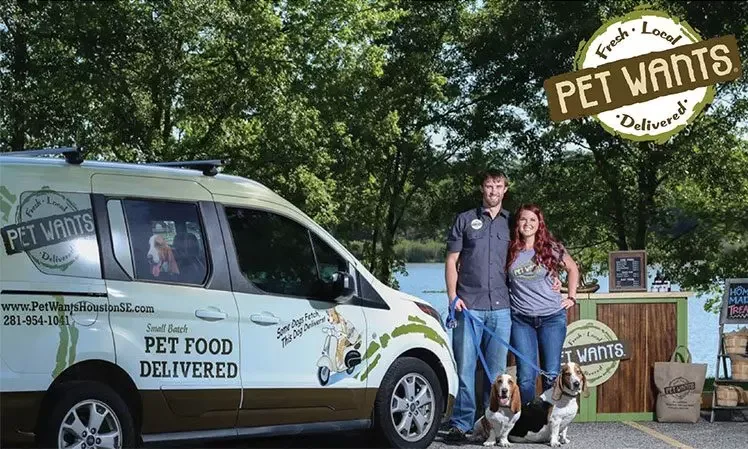
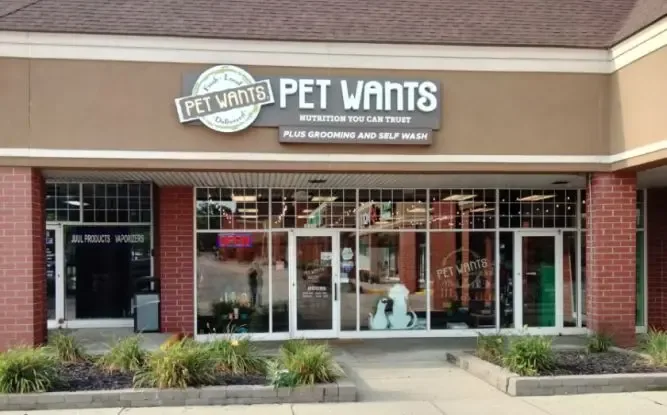
The defining feature of Pet Wants is what it removes. Most retail franchises require a signed lease and a built-out store before the first customer exists. Pet Wants inverts that: owners launch mobile, build a delivery base at farmers markets and community events, then open retail against demand they have already proven. Freshness is the product differentiator, but the phased launch is the structural one, and it changes the risk profile entirely.
At a Glance
- Liquid Capital Required: $50,000 — readily available cash or cash-equivalent assets — not from borrowing, selling a primary residence, or relying on future income
- Ownership Model: Owner-operated
- Location Type: Mobile, then retail storefront
- Time Commitment: Full-time
- Experience Required: No pet industry experience required
About Pet Wants
Pet Wants began in Cincinnati in 2010 with a simple premise: pet food should reach the bowl fresh rather than spend months in warehouses or distribution channels. The brand developed proprietary dog and cat food formulas produced in small batches and slow-cooked at lower temperatures to preserve freshness and nutritional value.
Pet Wants began franchising in 2015 and has since expanded through a network of locally owned businesses serving pet owners across the United States. Now part of Strategic Franchising Systems, the concept combines proprietary pet food with treats, supplements, nutritional guidance, local delivery, and other pet wellness products.
Why Own a Pet Wants Franchise?
- Phase one generates revenue through events and home delivery months before you sign a retail lease.
- You sell small-batch food slow-cooked every six to eight weeks, not bagged last year and warehoused since.
- Boutique grooming adds recurring appointment revenue that brings customers back on a schedule, not by chance.
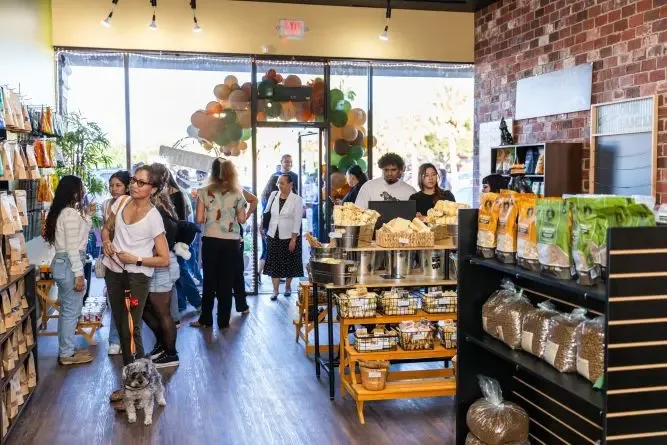
- Stores run smaller than industry average with about three employees, so rent and payroll stay manageable.
- Exclusive protected territories mean the customers you build in phase one remain yours in phase two.
Why This Opportunity, Why Now
ABF Market Analysis —
Pet spending has proven durable through economic cycles. Owners who treat pets as family members tend to protect that spending even when trimming elsewhere, and the premiumization trend has moved steadily from treats and toys into daily nutrition. At the same time, the category has consolidated toward two extremes: national e-commerce on one end and big-box retail on the other. That leaves a real gap for a local operator selling something neither can offer, which is freshness and personal knowledge of the animal.
ABF Timing Insight —
The brand is at a useful stage. More than 160 locations means the model is validated and the supply chain proven, but it is not a saturated system, and protected territories remain available in most markets. The addition of boutique grooming is recent and gives owners a second revenue line that competitors selling food alone do not have. For a candidate who wants an established playbook without joining a system where every good territory is already taken, the window is still open.
Training & Support
- Onboarding runs four to six weeks and combines virtual coursework with a full week of classroom training in Cincinnati, where the brand originated.
- An on-site program pairs you with an existing franchisee for one to two days of hands-on observation, so you see the business run before running your own.
- Training covers retail operations, community events, delivery, product knowledge, marketing, financial management, hiring, inventory, and compliance, with no prior pet industry experience required.
- Site selection and lease negotiation assistance apply when you move into phase two, along with store design, layout, merchandising, and grand opening support.
- Owners receive point-of-sale and inventory systems, a customer relations platform, a lead-generating local website, and coaching that continues for the life of the franchise relationship.
Who Are We Looking For
- Business-minded operators with genuine affection for animals
- Comfortable meeting strangers at farmers markets and community events
- Willing to educate customers about nutrition, not just sell
- Visible in the neighborhood rather than behind a desk
- Patient enough to build phase one before opening retail
Who Is Not A Good Fit
- Anyone wanting fully absentee ownership, which this brand does not permit
- Buyers unwilling to work weekend events throughout the first phase
- Owners expecting retail revenue before building a delivery customer base
- People uncomfortable with hands-on animal contact in a grooming environment
- Candidates who dislike explaining products and prefer transactional selling
Frequently Asked Questions
Q: What does the two-phase model actually mean for a new owner?
A: Phase one launches immediately after training as a mobile, event-based business — farmers markets, community events, and home delivery. You build customers and local awareness while planning your store. Phase two opens the retail location once that customer base exists, so the lease arrives after revenue rather than before it.
Q: Do I need experience in the pet industry?
A: No. Training covers product knowledge from the ground up. What matters more is comfort talking with people about their animals and willingness to be visible in your community.
Q: Can this be run semi-absentee?
A: The franchisor allows a semi-absentee structure but not fully passive ownership. Even semi-absentee owners need a strong manager and regular personal presence, because the business runs on local relationships that are difficult to delegate entirely.
Q: Does the franchisor disclose financial performance information?
A: Yes. The Franchise Disclosure Document includes an Item 19 financial performance representation. Review it with an accountant and pair it with validation calls to owners at a similar stage to yours.
Q: How important is the leadership team when choosing a franchise?
A: Very important. A proven model matters, but the people leading the brand matter too. During due diligence, spend time with leadership and operations—not just franchise development—and ask how they prioritize franchisee profitability, support, and long-term brand health.
Next Steps
If you are drawn to a business built on fresh-made products, a launch that generates revenue before you sign a lease, two complementary income streams in food and grooming, protected local territory, and daily contact with pets and the people who love them, Pet Wants is worth a direct conversation. Complete the form below to request a qualification review and discuss territory availability for Pet Wants.
This profile represents general franchise information. Individual results may vary. Refer to the Franchise Disclosure Document for complete details.
Costs, fees and franchise facts
- Minimum Cash on Hand Required
- $50,000
- Total Investment
- $148,150-$239,400
- Net Worth Required
- $100,000
- Franchise Fee
- $53,500; Vet Discount: 10% off franchise fee.
- Financing Available
- Yes, third party financing is available.
- Number of Units
- 162 Franchised Units in 36 states.
- Part-Time / Full-Time
- Full-time
- Opportunities Available
- Franchises available throughout the United States
Pet Wants videos
Where Pet Wants is available
Franchises available throughout the United States